

Gender
Size
Color
Width
Manufacturer
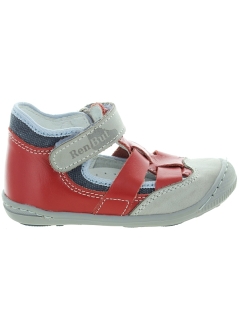
Lanzik Red
$94.00
Corrective shoes for intoeing child with arches.Toddlers sandals with ankle support.Orthopedic leather intoeing t-straps for a toddler Footwear for in..
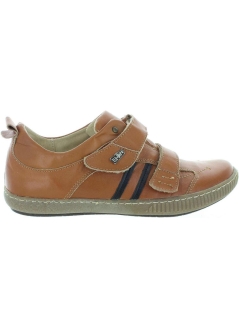
Wojas Brown
$103.00
Special leather shoes for flat feet in boysTeen boys best supportive brown leather shoes.Great leather used with proper arch and ankle support. Brown natural ..
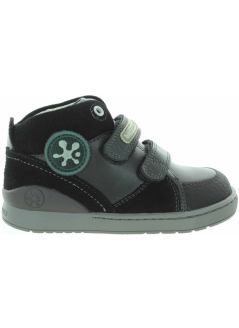
Ronin Black
$110.00
Flat footed child high arch black ankle bootsOrthopedic best toddler Biomecanics ankle boots for active child.Made out of two tone black leather with green lo..
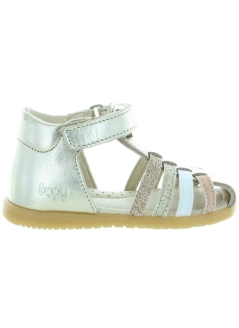
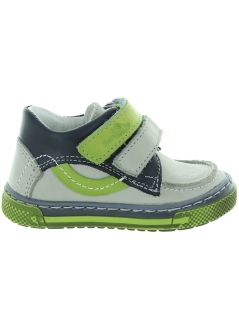
Tony Gray
$93.00
Walking orthopedic shoes with high arches for a boyHandsome shoes, well made for a child with wide feet and high instep.Best quality with proper orthopedic su..
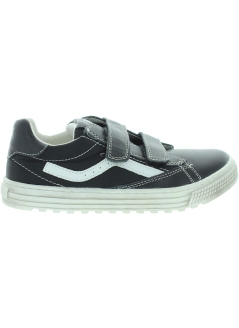
Milhause Black
$97.00
Collapsed ankles best kids shoesOrthopedic shoes for a boy with good reinforced heel.They never bend in the back due to special reinforced heel.Ankle is suppo..
Child foot pronation occurs when toddlers ankles roll in and toddlers walk on the inner border of their feet. This is often accompanied by flat feet and can cause discomfort in the arches and ankles. Excessive pronation affects posture and may lead to pain in knees, back, shoulders, and legs over time. Pronated ankle shoes make it difficult for toddlers to walk properly, leading to calluses, blisters, and foot or leg pain. Proper orthopedic shoes that cover the ankles stabilize the feet and prevent deformities. Major causes of overpronation in kids include low-quality shoes without ankle support or poorly designed soles. Pronation in kids is often due to the natural, temporary development of their arches, but can also be caused by hereditary factors, ligament laxity, or certain medical conditions. Treatment ranges from conservative options like supportive shoes, orthotics, and physical therapy to more involved surgical procedures for severe or painful cases that don’t improve with age. Most cases improve on their own, but a doctor should be consulted if a child over age five has pain, difficulty walking, or other issues. Most children have flat feet initially, and the arch develops over time as they grow but family history of flat feet or pronation is a common cause. Looser ligaments and tendons can lead to joints not being aligned properly, which can cause the foot to pronate. Less common causes include congenital defects, cerebral palsy, muscular dystrophy, and conditions like tarsal coalition (where bones in the foot fuse). Obesity can worsen pronation by putting more stress on the feet.
Treatment options are supportive orthopedic footwear that will correct pronation. High-quality leather construction shoes with good ankle and heel support with orthopedic arch built into the sole. Flexible, traction-enhanced soles with antibacterial and sweat-absorbing insoles. Recommended footwear includes toddler shoes for weak ankles,
toddler boots for overpronation, and
ankle-high sandals for pronation. Consistent use ensures gradual correction of foot alignment and strengthens growing feet. Second treatment option are orthotics that provide custom inserts. Physical therapy exercises strengthen the arch and correct gait issues. Weight management is essential If a child is overweight, a doctor may recommend weight loss.
Benefits of European orthopedic shoes are reinforced heel support and ankle stabilization with proper arch support to reduce pronation. High-quality, breathable leather for comfort with flexible soles for walking, running, and playing. Quality shoes prevent flat feet, pigeon toes, and other foot deformities. European orthopedic shoes are certified by the European Orthopedic Ministry of Health and considered essential for children’s health. High-quality construction ensures long-term benefits, while low-cost footwear from China or other countries often lacks support and may deform feet over time. Investing in proper orthopedic shoes early ensures correct foot development, alignment, and healthy posture for your child. Any brand sold in United States for children is manufactured in Asian countries and offer zero orthopedic support that every child does need.